Lorem ipsum dolor sit amet, consectetur adipiscing elit. Praesent nec rutrum erat, a feugiat sem. Pellentesque habitant morbi tristique senectus et netus et malesuada fames ac turpis egestas. Vestibulum sodales felis in pretium laoreet. Donec vitae nunc eget nisi consectetur semper eget quis risus. Cras vel luctus felis. Etiam at mauris id neque rutrum lobortis eu eu neque. Etiam vulputate sit amet magna volutpat rutrum. Etiam eget nulla sapien. Morbi vulputate gravida risus, in dictum lectus vehicula malesuada. Nam lacinia lorem eu mauris convallis ornare. Suspendisse in turpis nec nisi hendrerit sodales. Ut massa libero, consectetur et nisi a, mollis dignissim velit.

Advanced Energy Buyers Group
Through Advanced Energy Buyers Group, Advanced Energy United elevates the voice of buyers to achieve their advanced energy purchasing goals.
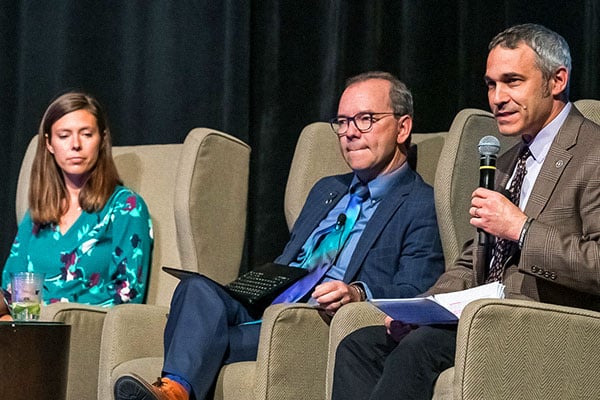
Decision-maker Education & Engagement
Advanced Energy United works to help state regulators and candidates for governor and legislature better understand advanced energy products, services, and business models.
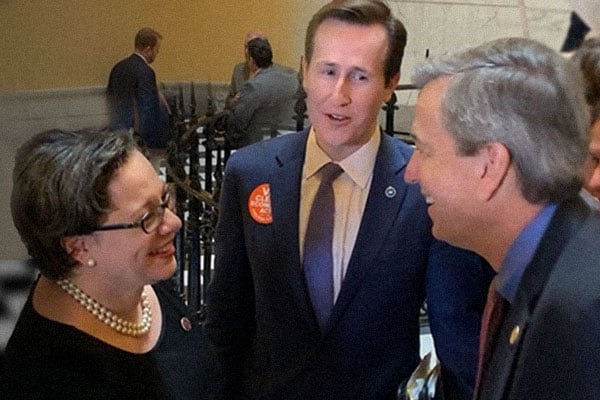
Driving Technology Adoption & Market Transformation
Advanced Energy United seeks to scale advanced energy by driving technology adoption and market transformation through state policy and regulation.

Electrifying Transportation
Advanced Energy United advocates for state and federal policies, legislation, and regulations to accelerate EV adoption and deployment of charging infrastructure necessary to adopt a mass market for EVs.

Expanding Wholesale Markets
Advanced Energy United works to eliminate barriers to the participation of advanced energy technologies in competitive wholesale markets governed by FERC as well as ERCOT to expand market opportunities for advanced energy companies.

Federal Investment & Manufacturing
Advanced Energy United works to expand market opportunity through targeted federal engagement focused on Federal Investment & Manufacturing.
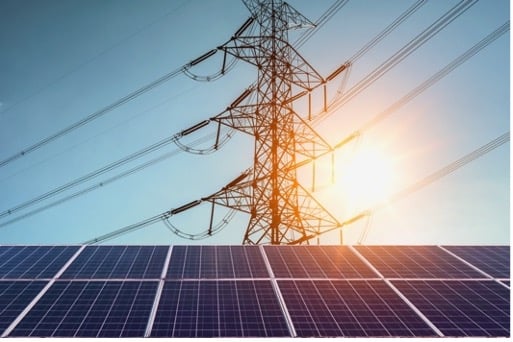
Transmission
Advanced Energy United is working at the local, state, and federal levels to build support for meaningful expansion of electric transmission infrastructure to connect renewable energy resources with energy demand.

Western RTO
Advanced Energy United is advocating for the development of a competitive wholesale energy market for the Western U.S., known as a regional transmission organization (RTO)